A creature on your shelf can mean two very different things. In the open edition versus limited collectibles question, the real choice is not simply rare versus common. It is about how you want to meet America’s legendary creatures: on your own time, or during one brief, thrilling sighting.
Collectors often hear “limited” and assume it automatically means better. Others see “open edition” and worry it means less special. Neither assumption tells the whole story. A great collectible earns its place through character, craft, story, and the feeling it creates when someone notices it across the room. Edition style changes the hunt, the access, and sometimes the community around a release. It does not decide whether a figure belongs in your collection.
Open Edition Versus Limited Collectibles: The Real Difference
An open edition collectible is produced without a fixed, publicly capped total quantity. It may remain available for a defined period, return in future production runs, or stay in a collection while demand exists. The key idea is accessibility. If you discover a regional legend after its first appearance, an open edition gives you a better chance to bring that creature home without chasing the secondary market through the woods.
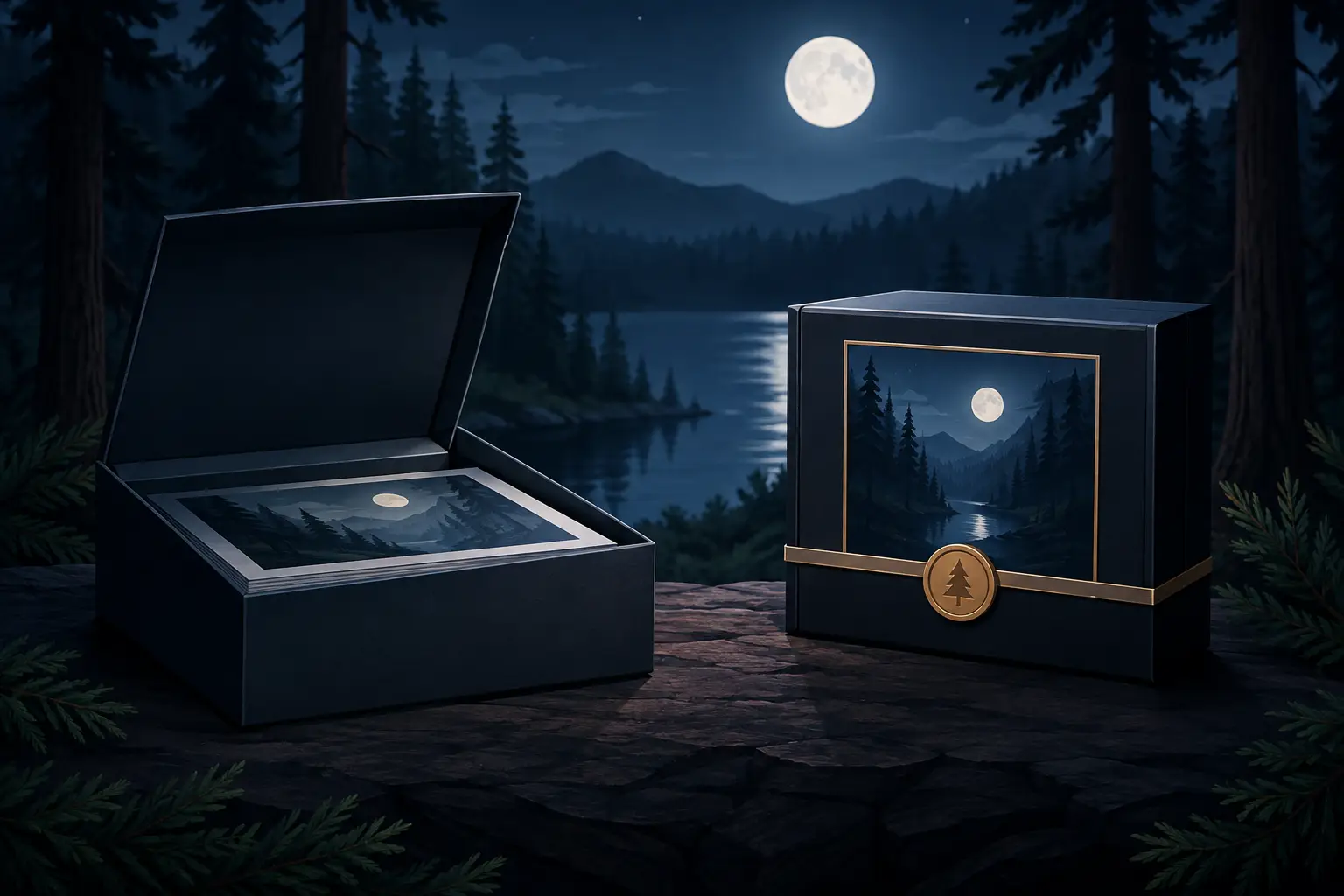
A limited collectible has a set production number, or a tightly defined release window that creates a finite supply. Once the edition sells through, that exact version is gone. A limited run might be marked by a numbered certificate, special packaging, an unusual colorway, an event-only release, or a design that will not be reproduced in the same form.
The distinction sounds simple, but it has consequences. Open editions welcome latecomers, gift shoppers, and completion-minded collectors. Limited editions create urgency and can turn a release into a shared moment: everyone is watching the same countdown, hoping to spot the creature before it disappears back into the dark.
Neither model is inherently more legitimate. They serve different collector instincts.
Why Open Editions Can Be the Better Collection
An open edition is a generous format. It tells people they do not need perfect timing, a giant budget, or an encyclopedic knowledge of release calendars to participate. That matters for a collection built around regional folklore. Someone may learn about a strange legend from their home state years after the first encounter. They should still have a fair shot at finding it.
Open editions also support the pleasure of building a full display. If your dream is a map-sized gathering of creatures from coast to coast, availability matters. A planned series becomes less about beating other buyers to checkout and more about choosing which legend to welcome next.
That does not make an open edition ordinary. A figure can be widely available and still feel deeply personal. The creature tied to your hometown, your favorite road trip, or the campfire story your uncle told too well carries its own rarity. There may be many figures in the world, but only one becomes your reminder of that place.
For newer collectors, open editions offer room to learn their taste. You can decide whether you prefer eerie shelf guardians, mischievous monsters, or a carefully organized state-by-state lineup without feeling punished for arriving late. That lower pressure makes collecting more fun, and fun is a far better reason to collect than panic.
Open does not always mean forever
Here is the foggy part: open edition does not necessarily mean permanently in stock. Materials change. Production plans evolve. A collection may move into a new wave. A figure can be temporarily unavailable even if it was never numbered or capped.
The honest expectation is access, not immortality. If a collector truly loves a figure, waiting forever is still a gamble. Folklore teaches this lesson often enough: when something strange appears twice, do not assume it will appear a third time.
What Limited Editions Add to the Hunt
Limited collectibles create a different kind of magic. A fixed quantity gives a release a clear boundary. There were only so many made, only so many sightings, and only so many chances to claim one. For collectors who enjoy release-day energy, that boundary is part of the appeal.
A limited edition can also give artists and brands a place to experiment. Maybe a creature appears in a moonlit colorway, a convention-exclusive finish, or a form inspired by a particularly obscure version of a local tale. These versions can celebrate a specific moment without replacing the core character for everyone else.
The best limited releases feel meaningful, not artificially scarce. They offer a real reason for their limited status: a special event, a seasonal apparition, a collaboration, a distinct production treatment, or a tribute to a rare branch of the legend. The limitation should add to the story, not stand in for one.
There is a trade-off, of course. Limited editions can frustrate fans who miss a drop because of work, school, time zones, family obligations, or plain bad luck. They may also invite reselling behavior that shifts attention away from the creature itself. A collectible is more interesting when people are discussing the monster’s origins and design than treating it like a stock ticker.
That is why limited editions work best as spice, not the whole meal. They can give longtime collectors an extra trail to follow while leaving a clear path for people who simply want the main cast on their shelves.
Choose Based on How You Collect
Ask yourself what brings you back to collecting. If you love completing a set, connecting figures to places you have lived or visited, and slowly building a display with no fear of missing the foundation, open editions are likely your territory.
If you love the chase, enjoy special variants, and take pride in owning an artifact from a particular release moment, limited editions may call louder. There is nothing shallow about that thrill. Collecting has always involved stories of fortunate finds, traded treasures, and the one object that almost got away.
Many collectors want both. They may use open editions to build the essential collection, then reserve limited releases for the creatures or designs that truly speak to them. This approach keeps a collection focused. You do not have to pursue every scarce thing just because it is scarce.
Budget deserves a place in the decision too. Set a number before a limited release appears, especially when excitement is high. A shelf should feel like a gathering of legends, not evidence that a checkout timer got the better of you. Open editions can make it easier to spread purchases across months, while limited releases may require faster choices.
Rarity Is More Than a Number
A production cap is measurable. Meaning is not. The rarest object in a room may be the one connected to a memory, a landscape, or a story only your family knows. In folklore, value often comes from context. The creature becomes memorable because of where it was seen, who whispered about it, and why the tale endured.
The same is true on a collector’s shelf. A numbered edition can be exciting, but it is not automatically the centerpiece. Sometimes the figure that matters most is the accessible one you found while researching your state’s oddest legend, or the gift that introduced a friend to the strange folklore just beyond their county line.
Fablins is built around that sense of connection: 50 states, 50 legends, and a growing cast of creatures with roots in real American places. A collection like that has room for patient discovery as well as the occasional scarce sighting.
When deciding between open and limited, choose the format that keeps the story alive for you. Claim the rare release when it feels like a true encounter. Welcome the open edition when it gives a legend the lasting place it deserves. The best collection is not the one that makes strangers ask what it is worth. It is the one that makes them ask, “What is that creature, and where did it come from?”