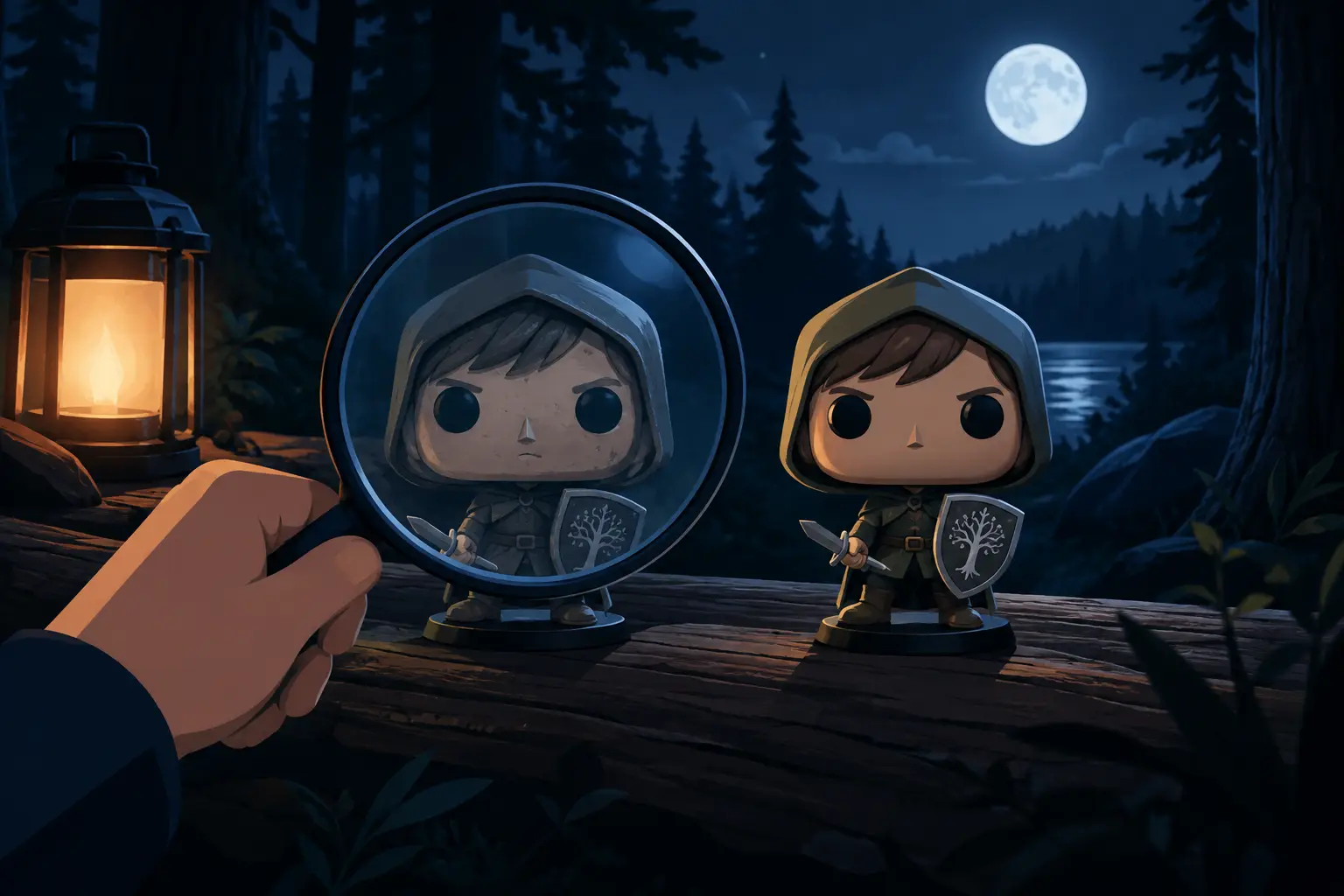
A creature with the wrong grin, a blurry state mark, a paint job that looks like it survived a swamp fight - sometimes those are clues, not character. Learning to spot counterfeit figures protects more than your wallet. It protects the artists, stories, and strange little worlds that make collecting worth doing in the first place.
Counterfeits are not always obvious. Some are cheap knockoffs with warped limbs and loud colors. Others borrow official photos, copy a box closely, and wait for a rushed collector to hit Buy Now. The good news is that most fakes leave tracks. You just have to know where to look before a questionable creature takes up permanent residence on your shelf.
Why Counterfeit Figures Keep Turning Up
A great collectible does more than fill display space. It carries a design language, a maker's choices, and a story. That makes popular figures tempting targets for counterfeiters, especially when a release sells out, becomes hard to find, or has a passionate collector community behind it.
Fakes often appear where speed matters more than trust: third-party marketplaces, social media listings, convention tables with no clear business identity, and listings using stock images only. That does not mean every independent seller is suspicious. Plenty of real collectors sell figures from their personal shelves. It means the listing deserves a closer look when the price, photos, or story do not add up.
The trade-off is simple. A little caution can mean passing on an exciting deal. But the alternative can be paying collector prices for a figure with weak materials, poor paint, no resale value, and none of the care promised by the real release.
How to Spot Counterfeit Figures in the Listing
Start before you study the figure itself. A counterfeit listing often gives away its secrets through the seller's behavior.
A price far below the usual market range is the oldest warning sign in the woods. A discounted figure is not automatically fake, particularly if the box is damaged or a seller needs quick cash. Still, if a supposedly rare piece costs less than a common retail figure, ask why. Genuine bargains usually come with a believable explanation and clear photos.
Read the entire listing, including the small print. Watch for vague phrases such as “inspired by,” “factory version,” “same quality,” or “no box.” Some sellers use these terms honestly to describe unofficial items. Others use them to avoid directly claiming that a copy is authentic. If a listing never says who made the figure, treat that silence as information.
Photos matter even more. A trustworthy seller should be able to provide current pictures of the exact item from multiple angles, including the front, back, base, packaging, and close-ups of any markings. Stock images are fine as extra context, but they should not be the only evidence. Ask for a photo with a handwritten date or the seller's username if you are unsure. A legitimate seller with the figure in hand can usually manage that.
Seller history is useful, not magical. A longtime account with collector-focused feedback is reassuring. An account created last week with dozens of identical “rare” figures is not. Look for consistent details: real customer comments, photos from buyers, a reasonable location, and a history that matches what they are selling.
Inspect the Figure Like a Field Researcher
Once you have clear images, compare details rather than relying on one grand clue. Counterfeit figures often get the broad shape right while missing the smaller choices that give a character its identity.
Check the Sculpt and Silhouette
Look at the outline first. Are ears, claws, horns, tails, or wings shaped cleanly? Does the pose match known official photos? Knockoffs may have softened edges because they were copied from an existing figure, then cast again. Fine textures can become muddy, and thin parts can look thicker, droopier, or strangely blunt.
Pay special attention to seams. Every manufactured figure may have seam lines, but sloppy seams, excess plastic, uneven joins, and rough trimming can point to a low-quality copy. So can a figure that will not stand correctly when the original design clearly should.
Study Paint, Color, and Finish
Paint differences are common even among genuine figures. Handmade finishing, production batches, photography, and display lighting can all make colors look different. Do not condemn a figure because one shade is slightly darker than the photo on your phone.
Instead, look for patterns of poor execution. Paint bleeding across sculpted lines, uneven eyes, missing accents, cloudy clear parts, and a finish that feels tacky or overly glossy are stronger concerns. Official paint applications tend to follow the sculpt with intention. Counterfeit paint often looks hurried, especially around tiny facial features and raised details.
Look for Marks Where They Belong
Most legitimate collectible figures include some combination of a brand name, copyright notice, date, artist or manufacturer mark, country of origin, and production information. The exact location varies by figure, but the marks should be readable and cleanly molded or printed.
A missing mark is a warning, not final proof. Some small figures have limited room, and packaging may carry information that does not fit on the piece. But misspelled text, distorted logos, shallow unreadable stamps, or an odd date are reasons to pause. Counterfeiters copy monsters well enough from a distance. Words and tiny symbols are where they often stumble.
Packaging Is Part of the Evidence
Boxes, cards, inserts, and seals can tell a story the figure cannot. Compare fonts, logo placement, colors, barcode labels, and printed art with official release images. A fake package may use colors that are slightly off, low-resolution art, strange spacing, or text that feels copied without being understood.
Do not assume packaging guarantees authenticity, either. Counterfeiters can copy boxes, and genuine figures can be sold loose after years of shelf life. Treat the package as one piece of a larger case. The strongest answer comes when the figure, its marks, the packaging, the seller, and the price all make sense together.
For collectors who keep boxes, condition also affects value. A genuine figure in a crushed package may still be the better buy than a pristine-looking fake. Decide whether you are collecting for display, resale, completion, or all three before you pay a premium for cardboard.
Ask the Questions That Make Fakes Nervous
You do not need to become accusatory. Be direct, polite, and specific. Ask where the figure came from, whether the seller is the original owner, whether they have proof of purchase, and whether they can photograph the bottom mark or packaging code.
A real seller might not remember every detail, especially if they are clearing out an old collection. But they should not become evasive when you ask ordinary collector questions. If they pressure you to pay quickly, refuse additional photos, or keep changing their answer, walk away. Another listing will emerge from the fog.
Before committing, use this five-part check:
- Compare the price with recent sales, not just the highest asking price.
- Request photos of the exact figure, especially its base, back, and markings.
- Match the sculpt, paint layout, and packaging against known official examples.
- Review the seller's feedback, history, and other active listings.
- Pay through a method with buyer protection and keep the listing record.
If You Think You Bought a Fake
Do not panic, and do not immediately post a public accusation. Photograph the figure, package, shipping label, and listing details while everything is still available. Compare it carefully with official references and, if needed, ask knowledgeable collectors for a second opinion. Production variation exists, and a rushed verdict can hurt an honest seller.
If the evidence points to a counterfeit, contact the seller through the marketplace first and clearly explain the issue. Use the platform's dispute process if needed. Keep the conversation factual: show the missing mark, mismatched packaging, or obvious sculpt difference. Avoid returning an item outside the platform's documented process when buyer protection is involved.
Counterfeiters want collecting to feel careless and disposable. Do the opposite. Collect with curiosity. Learn the marks, honor the makers, and give each strange resident of your shelf the close look it deserves. The best figures are more than objects - they are sightings worth keeping.