Alaska · Series Two
Kushtaka
The Voice in the Fog
Not released yet — join the waitlist
Track This Legend
Kushtaka isn't for sale yet. Join the waitlist and we'll let you know the moment it drops.
No spam — one email when it's ready.
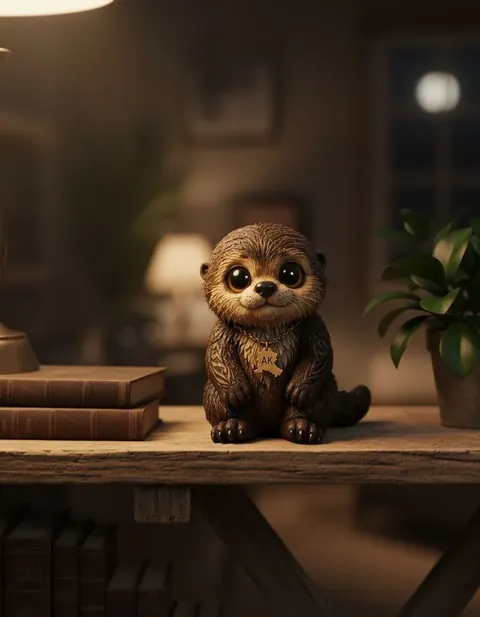
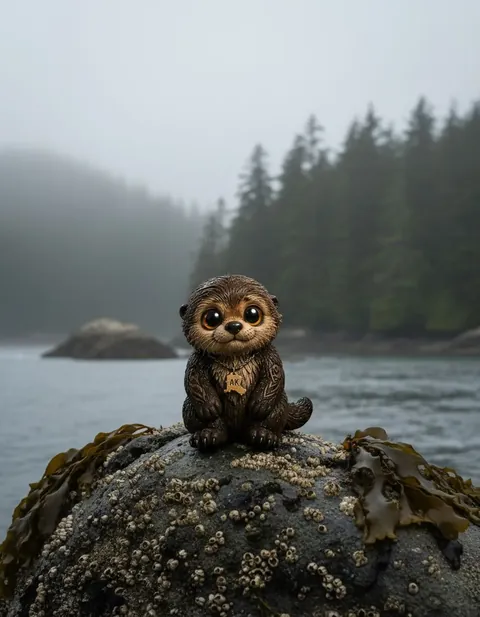
The shapeshifting otter-man of Southeast Alaska, who lures the drowning and the freezing with the voices of those they love — and turns the taken into one of his own.
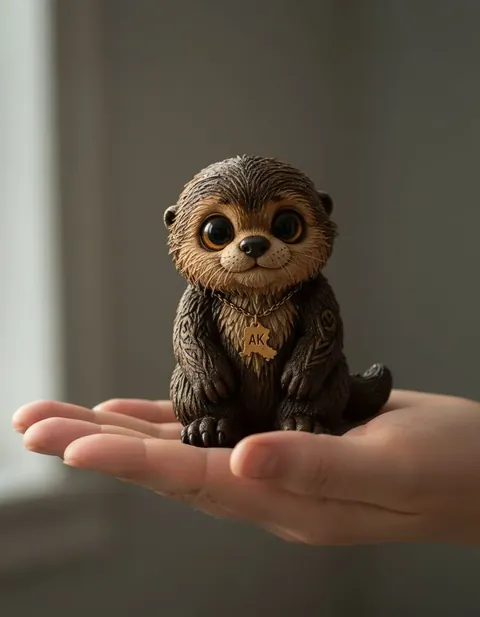
- Hand-painted collectible figure
- Collectible trading card in every box
- Tracked shipping to the US & 27 more countries
- Secure Shopify checkout · 30-day returns
- Society members get free shipping and 10% off every order.

Kushtaka
Alaska
- Size
- Man-sized
- Habitat
- Foggy coastal rainforest
- Sighting
- Inside Passage • Ancient
- Trait
- Mimics loved ones' voices
A shapeshifting otter-man who lures the lost into Alaska's fog with the voices of those they love.

★ America’s ★
Legendary Creatures
Tilt it for a closer look
Box exclusive · Never sold separately
Evidence enclosed
Tucked inside every Kushtaka box is card #004 of 50: a collector's card you won't find in any shop, pack or booster. The only way to get it is to bring the Kushtaka home.
Fifty legends, fifty cards. Collect the figures, complete the field guide.
- Size
- Man-sized
- Habitat
- Foggy coastal rainforest
- Sighting
- Inside Passage • Ancient
- Trait
- Mimics loved ones' voices
Sculpted from the sightings
Kushtaka, up close
- Figure height
- 5 inches
- Finish
- Hand-painted
- Edition
- Series Two — Fresh Tracks
- Classification
- Otter Shapeshifter
- Family
- Forest Folk
- Legend reports it at
- Man-sized — but it wears whatever shape it pleases
The legend of Alaska
“You'll hear a baby crying out past the breakers, or your own mother calling your name from the spruce. Don't answer. The Kushtaka already knows you're lost.”
The Southeast Alaska coast is a maze of cold green water and dripping spruce, where fog rolls in off the Inside Passage and a man can lose himself between one channel and the next. The Tlingit and the Tsimshian have always known who walks that border between land and sea. They call him the Kushtaka — the Land Otter Man — and he is neither wholly otter nor wholly man, but something that slides between the two as easily as an otter slides under the surface. He waits where the rivers meet the tide, in the places where the living most easily become the lost.
The Kushtaka is no simple monster. To the drowning sailor and the freezing child he can appear as salvation — a relative come to help, a warm fire glimpsed through the trees. But the help is a trap. Those he carries off are not killed so much as remade: stolen away to the otter people and slowly transformed, their human memory peeling away like wet bark until they too prowl the fog luring others home. He is savior and thief in the same breath, and the elders will tell you the only sure defense is fire, the smell of urine, or the bare blade of copper — things the otter people cannot abide.
The Legend+
In Tlingit tradition the Kushtaka is one of the land otter people, beings who claim the souls of those who die in the water or wander lost in the cold. When a person drowns or freezes alone, the Kushtaka comes — sometimes as a pack of otters, sometimes wearing the face of a beloved aunt or a crying infant left out in the dark. They carry the victim away before death can fully take him, and in their world among the roots and the tideflats they turn him into one of themselves. It is, the stories say, a fate worse than drowning: not an ending but an endless mimicry of life.
Yet the same beings could be merciful. A man pulled from a capsized canoe and kept alive in the otter people's lodge might be returned to his village — changed, marked, never quite right again, but alive. The Kushtaka stands at the threshold where a soul could go either way, and which way it goes depends on whether the lost one answers the voice in the fog. The Tsimshian to the south told of the same creature under their own names, a sign of how far up and down that drowned coastline the legend runs.
Documented Sightings+
Unlike the track-leaving monsters of the Lower 48, the Kushtaka belongs first to oral tradition, and the deepest record of him lives in the testimony of Tlingit and Tsimshian elders gathered by ethnographers across the late nineteenth and twentieth centuries. The anthropologist John Swanton, working for the Bureau of American Ethnology around 1904, recorded land-otter-man stories along with the great body of Tlingit myth and ceremony; the figure recurs throughout the clan histories of the Southeast as a fixture of the spirit world, not a campfire novelty.
Modern encounters cling to the same haunted geography — the waters around Sitka, the channels off Wrangell and the Alexander Archipelago, the lonely stretches of the Tongass where the trees come down to the tide. Fishermen and kayakers still report the cry of a baby drifting across empty water at dusk, and otters that seem to watch with too much intent. The stories are told most often where someone has lately been lost to the cold sea, which is, of course, exactly where the Kushtaka is said to do his work.
The Lore+
Defenses against the Kushtaka are remarkably consistent across the tellings. Fire repels him; so does the smell of human urine; so does copper, and in many accounts the bark or wood of the devil's club plant, sacred and protective in Tlingit medicine. A shaman — a íxt' — was the one truly equipped to wrestle a soul back from the otter people, and clan regalia often carried the land otter as a powerful, dangerous crest. The creature was respected the way one respects a riptide: not hated, but never, ever underestimated.
It would be a mistake to file the Kushtaka beside the tabloid cryptids. He is a teaching as much as a terror — a way of explaining why the cold water takes people, why grief makes us hear familiar voices in empty places, why a survivor of the sea comes home a stranger. Treat the tradition with the respect its keepers do, and the lesson is plain: out where the fog meets the tide, the most dangerous thing you can meet is something wearing a face you love.
Good questions
What comes in the box?+
A 5-inch hand-painted collectible figure of Kushtaka from Series Two — Fresh Tracks, plus its collectible Fablins trading card — with Kushtaka's size, habitat, first sighting and signature trait.
When will it ship?+
Kushtaka isn't released yet. Join the waitlist and you'll hear first when it's available.
Do you ship internationally?+
Yes — to the US, Canada, the UK, most of the EU, Australia, New Zealand, Japan and more. Prices show in your local currency and checkout calculates shipping for your country.
What if I need to return it?+
You have 30 days from delivery to start a return (return postage is on the buyer). Reach us through the contact page and we will walk you through it.
Keep collecting